This blog is all about Anilao from the perspective of the author himself Mr. Ivan Manzanares, with more than a decade of experience diving in Anilao and other parts of the world.
Anilao Black Water Dive
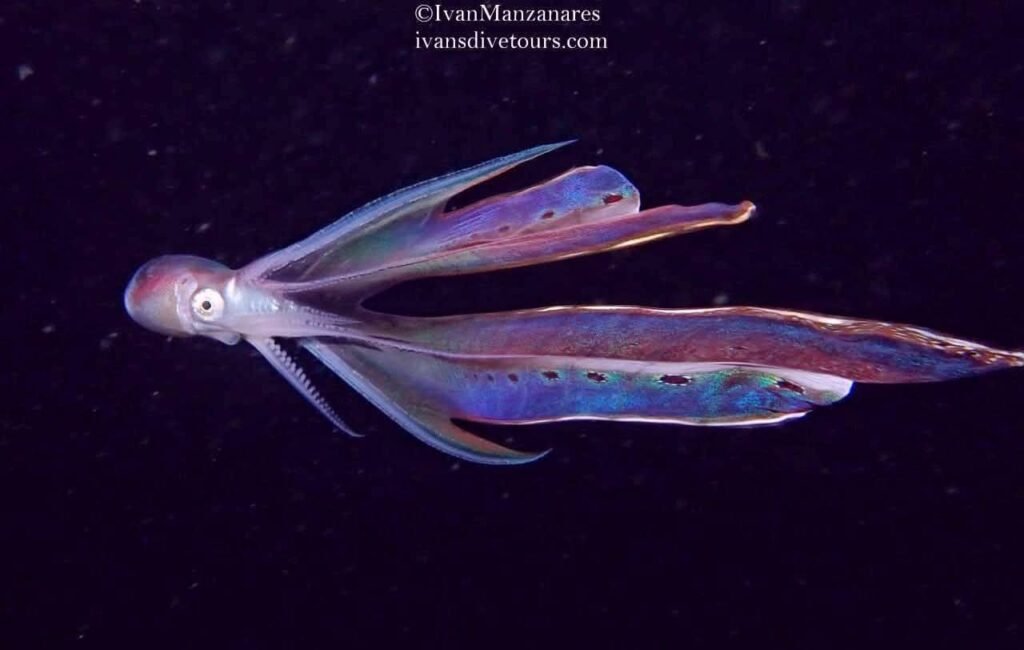
Anilao Black water expedition
black water dive in Anilao Philippines is more convenient compare to other dive destination mostly if you stay near San Jose Mabini area, no big waves and 5 minutes away from the sweet spot of black water dive site.
Black water dive safety
When we talk about safety, before you do a black water dive, it is important that your buoyancy where practiced really well, because, you don’t want to see the bottom, normally we deploy the light at minimum of 100 meters deep buoy, we attached a special black water light on a deep buoy, then we play around 15-25 meters deep hovering looking for subject in the first 30 minutes, after 30 minutes we move to the shallow level, hovering swimming around the black water lights at a dept of, 10 to 5 meters deep, we play in that dept, until we have 50-30 bar in our tanks, take note if your not confident with your buoyancy don’t do it!
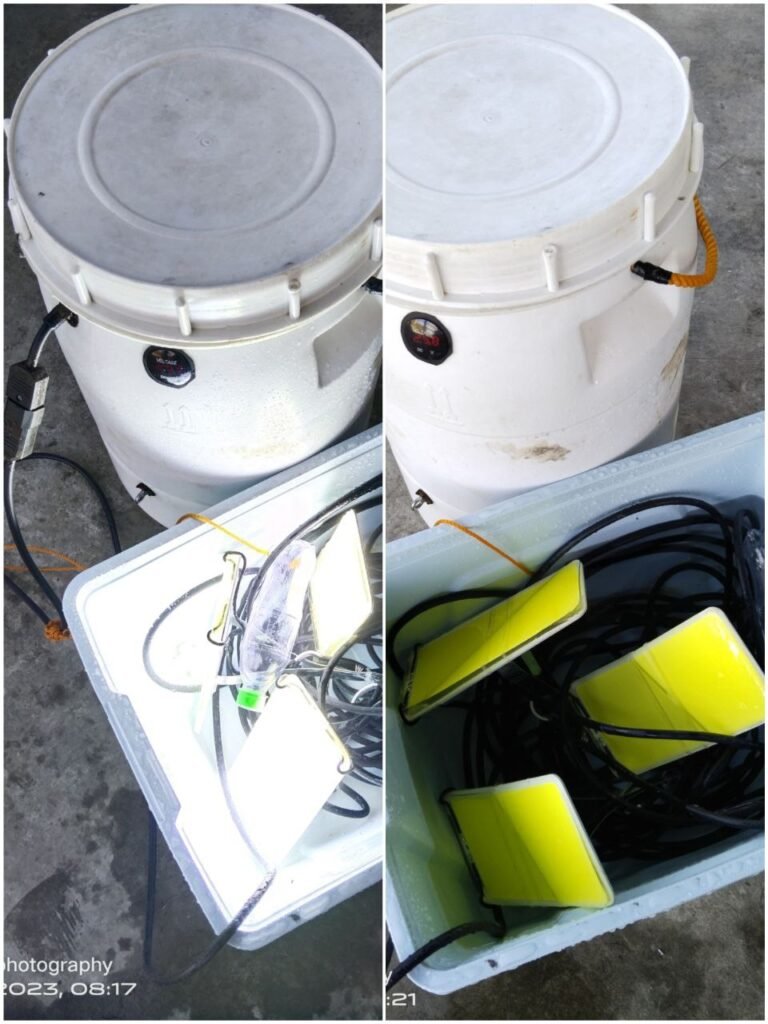
The number 1 key for a successful black water dives, strong light with long battery life.
This black water light were developed by Ivan and Francis during covid days, it is tried and tested, powerful 30,000 lumens on each light, just be careful don’t look at it while diving, it is extremely bright!
Safety, longevity of battery, it is fantastic.
We deploy this light before the break of dawn, let it attract subjects while we enjoy our dinner, then 7pm gear up and before 8pm were in the water. it is important that you also monitor the brightness of the moon, when its full moon the moon where so bright, and black water critters ain’t attracted to light. so before you schedule your black water dive expedition, check the moon phase. avoid 3 days before and after full moon. in that way you can enjoy your black water dive expedition and see more creatures.
Anilao Muck diving
Anilao muck diving, it is one of the most popular diving in anilao.
Did you know?
👾 The Shapeshifter of the Sands
Did you know the Mimic Octopus is the ocean’s greatest actor? Unlike other octopuses that just change color, the Mimic Octopus actually changes its shape to impersonate other animals. If it sees a predatory fish, it will tuck six legs away and trail two behind to look like a venomous sea snake. At other times, it flattens its body to glide along the sand like a toxic flounder. Finding one of these in the Anilao muck is like winning the underwater lottery!
🐑 The Solar-Powered “Sheep”
Did you know there is a “sheep” that lives underwater? One of our favorite muck finds is the Shaun the Sheep Nudibranch (Costasiella kuroshimae). It’s no bigger than a grain of rice, has beady little eyes, and “leafy” green feelers. The coolest part? It’s one of the only animals in the world that can perform photosynthesis. It eats algae and then uses the green chlorophyll to make its own energy from the sun!
🥊 The Boxer with the Fastest Punch
Did you know the Mantis Shrimp has the fastest strike in the animal kingdom? Hidden in the silty burrows of Mabini is the Mantis Shrimp. Don’t let its rainbow colors fool you; its punch is so fast it creates “cavitation bubbles” that are as hot as the surface of the sun for a split second. It can literally crack the glass of an aquarium or the shell of a crab in 1/3,000th of a second. We love spotting their curious eyes peeking out from the sand.
💡 Why Muck Diving is Different
In a coral reef, you look around. In the muck, you look in. It’s a game of patience and focus. At Sea House, our guides are “Critter Hunters”—they know how to spot a Ghost Pipefish that looks exactly like a piece of seagrass or a Frogfish that looks exactly like a sponge.